Our blog

Single Brand vs Multi-Brand Cloud Kitchen Equipment Differences Explained 

Ut elit tellus, luctus nec ullamcorper mattis, pulvinar dapibus leo.

One of the first decisions every cloud kitchen entrepreneur faces is whether to invest in single brand or multi brand cloud kitchen equipment, and it is as much an equipment decision as it is a business strategy one

It sounds like a business strategy question. And it is. But it is also an equipment question : because the model you choose directly determines what equipment you need, how much space you require, and how your kitchen must be laid out.

This guide breaks down the equipment differences between a single brand and a multi-brand cloud kitchen, so you can plan your setup correctly from day one rather than discovering the gaps after you go live on Zomato or Swiggy.

1. What Is a Single Brand Cloud Kitchen? 
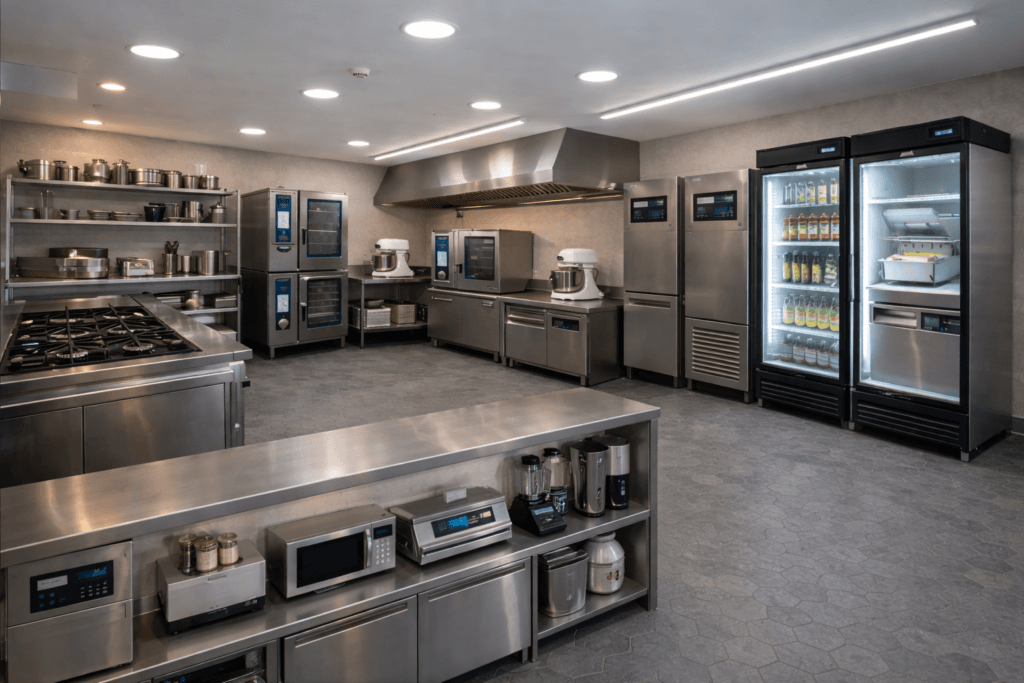
A single brand cloud kitchen operates with one brand, one menu, and one kitchen. All orders coming into the kitchen belong to the same brand, the same menu, and typically the same cuisine type.

This is the most common starting point for first-time cloud kitchen operators in India. It is simpler to manage, easier to staff, and requires less equipment complexity. You build one brand’s reputation, optimise one menu, and focus on delivering consistency.

Examples of single brand cloud kitchen formats:

  • A North Indian tiffin service delivering to offices in Ahmedabad
  • A dedicated biryani brand serving a specific residential zone
  • A health food cloud kitchen targeting a niche customer segment

The equipment required for a single brand cloud kitchen is more straightforward, chosen specifically for the cuisine and volume of that one brand.

2. What Is a Multi-Brand Cloud Kitchen?

A multi-brand cloud kitchen operates with numerous brands under one parent company that share one kitchen. Each brand offers unique cuisine and attends to various client needs while sharing a single kitchen space.

In practical terms, this means one kitchen might run a North Indian brand, a Chinese brand, and a dessert brand simultaneously, all appearing as separate restaurants on Zomato and Swiggy, but being prepared in the same space by the same team.

Leading cloud kitchens in India operate 5 to 15 different brands from single locations, requiring unified systems that can handle distinct menus, pricing, and promotions while sharing kitchen resources efficiently.

Rebel Foods is the most prominent example, operating over 450 cloud kitchens across 70+ cities with 45+ virtual brands; running Faasos, Behrouz Biryani, Oven Story Pizza, and others from the same kitchen infrastructure.

The multi-brand model maximises kitchen utilisation across different meal times; breakfast, lunch, evening snacks, and dinner can each be served by a different brand from the same kitchen. Shared infrastructure cuts operational costs significantly, and operators can diversify risk; if one virtual brand underperforms, others pick up the slack.

However, the equipment requirements are significantly more demanding.

3. Key Equipment Differences at a Glance 

Equipment AreaSingle BrandMulti-Brand
Cooking range2–4 burner4–6 burner or multiple ranges
Refrigeration1 refrigerator + 1 freezerMultiple units or larger capacity
Prep tables1–2 SS work tables2–4 SS work tables (separate per brand)
Chopping boards1 colour-coded setMultiple sets, separate per brand
Exhaust hood1 above cooking station1 per cooking station
Packaging stationSingle shared stationSeparate packaging zones per brand
POS / order displaySingle screen sufficientKitchen Display System (KDS) essential
Storage shelvingStandard capacityHigher capacity with brand-separated sections
Space required150–250 sq ft300–600 sq ft

4. Cooking Equipment: Single Brand vs Multi-Brand 
Single Brand

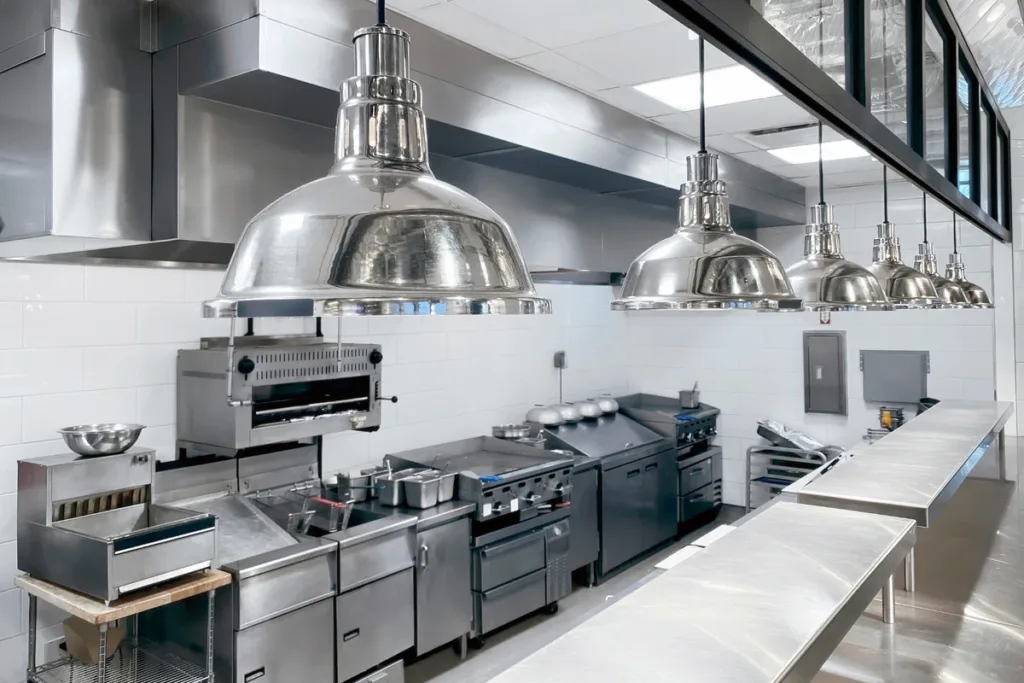
A single brand cloud kitchen targeting up to 40 orders per day can run efficiently on a 2 or 4-burner commercial gas range. Your menu is fixed, your cooking processes are repetitive, and your team quickly becomes efficient at producing the same dishes consistently.

Additional cooking equipment for single brand kitchens is menu-specific:

  • A tandoor for a North Indian brand
  • A dosa tawa for a South Indian brand
  • A wok burner for a Chinese or Indo-Chinese brand
  • A convection oven for a bakery brand

You buy exactly what your one menu requires, nothing more.

Multi-Brand

A multi-brand cloud kitchen needs cooking equipment that can support multiple cuisines simultaneously. This is where equipment decisions become more complex.

Option 1: Shared cooking station: A 6-burner commercial range where different brands share burners depending on order flow. This works when the brands have complementary peak hours; for example, a breakfast brand and a dinner brand rarely need to cook simultaneously.

Option 2 : Multiple cooking stations: Two separate cooking ranges, one dedicated to each brand or cuisine group. This is necessary when brands operate simultaneously during peak hours and require different types of cooking (for example, one brand needs high-heat wok cooking while another needs slow-simmering gravies).

Option 3 : Supplementary cooking equipment: Use a main gas range as the primary station and supplement with commercial induction cooktops for specific brands. This allows more flexibility in a compact space.

Key rule for multi-brand kitchens: Never let raw ingredients from different brand menus mix at the cooking station. Even if you are sharing a range, designate specific burners for specific brands during overlapping service periods.

5. Refrigeration and Storage: Single Brand vs Multi-Brand 

Single Brand

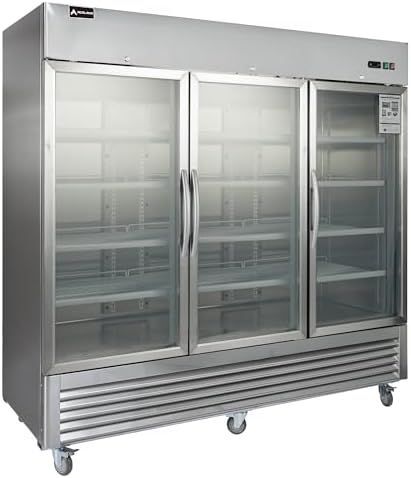
A single brand kitchen has predictable ingredient storage needs. One commercial single-door refrigerator for prepped ingredients and one chest freezer for frozen items handles the storage requirements of most single-brand operations at launch.

Dry storage shelving needs are also more straightforward; one set of SS shelving organised by ingredient type is sufficient.

Multi-Brand

Multi-brand kitchens face a more complex refrigeration challenge. Each brand’s raw ingredients must be stored separately to prevent cross-contamination, both for FSSAI compliance and for consistent flavour profiles.

Practical solutions:

  • Multiple single-door refrigerators : One per brand or cuisine group, clearly labelled. This is the cleanest solution and easiest to manage during a health inspection.
  • A larger double-door commercial refrigerator with clearly designated shelves or sections per brand, a more space-efficient option for kitchens where floor space is limited.
  • Under-counter refrigerators at each prep station : Keeps brand ingredients separated by location rather than by unit, reducing the risk of mix-ups during peak hours.

For dry storage, multi-brand kitchens need dedicated shelving sections per brand;  labelled clearly so staff do not reach for the wrong brand’s ingredients during a busy service.


6. Prep and Washing Setup: Single Brand vs Multi-Brand 
Single Brand

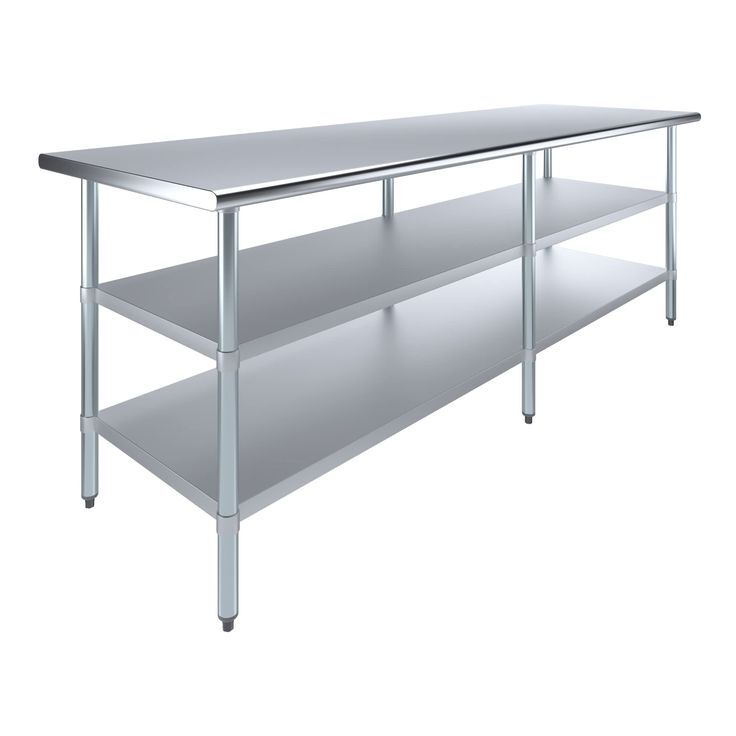
A single brand kitchen operates a straightforward linear prep flow. One prep table handles all ingredient preparation. One set of colour-coded chopping boards (four colours as per FSSAI) is sufficient. One commercial mixer grinder handles all grinding requirements.

The three-compartment sink and handwashing sink requirements are identical regardless of brand model, these are FSSAI mandates that apply to every cloud kitchen.

Multi-Brand

Cross-contamination prevention is the central challenge of prep in a multi-brand kitchen. Food safety in a multi-brand kitchen depends on dedicated prep zones, colour-coded tools, and rigorous staff training to prevent cross-contamination.

In practice, this means:

Separate prep tables per brand or cuisine group: At minimum, have one prep table dedicated to each distinct cuisine type. A North Indian brand and a dessert brand should never share the same prep surface simultaneously.

Multiple chopping board sets: Each brand should have its own complete colour-coded chopping board set. Do not share boards between brands, FSSAI inspectors specifically check for this in multi-brand operations.

Dedicated mixer grinders (if flavour contamination is a risk): If one brand uses strong spice profiles that could contaminate equipment for another brand, separate mixer grinders are advisable. At minimum, clean and sanitise the mixer thoroughly between brand use.

Larger three-compartment sink: A multi-brand kitchen generates significantly more utensils and equipment to wash. A wider three-compartment sink, or two separate sinks, prevents dishwashing from becoming a bottleneck during peak hours.


7. Packaging Station: Single Brand vs Multi-Brand 

Single Brand

A single dedicated packaging table near the kitchen exit handles all order assembly. One heat sealing machine, one label printer, and a wall-mounted shelf for packaging materials is sufficient.

Order identification is simple, every order that comes out of the kitchen belongs to the same brand.

Multi-Brand

Packaging in a multi-brand cloud kitchen is where operational chaos most commonly strikes. Multiple brands, multiple packaging types, multiple labels, and orders arriving simultaneously from different platforms create significant confusion if the packaging station is not properly organised.

What a multi-brand packaging station needs:

Separate packaging zones per brand: Even if it is a single long table, clearly mark and separate sections for each brand using colour-coded tape or physical dividers. Each section should have its own packaging materials, labels, and supplies.

A Kitchen Display System (KDS) at the packaging station: A screen showing incoming orders sorted by brand is essential for any multi-brand operation processing more than 20–30 simultaneous orders. Without this, packing errors and wrong-order deliveries are inevitable.

Multiple heat sealing machines (if packaging types differ): If each brand uses different packaging formats – for example, one brand uses pouches while another uses boxes  dedicate a separate heat sealing machine to each to avoid delays.

Clear labelling system: Every package must be labelled with the correct brand name, FSSAI number, and order details before it leaves the kitchen. In a multi-brand operation this is non-negotiable; a Swiggy delivery partner picking up three orders from your kitchen simultaneously must not mix up which package belongs to which brand.

8. Technology and Order Management Equipment 

This is an area where single brand and multi-brand kitchens diverge significantly, and it directly affects the physical equipment you need in your kitchen.

Single Brand

A single tablet or POS screen displaying incoming Zomato or Swiggy orders is sufficient for most single-brand operations. The orders are simple to track, everything belongs to one brand and one menu.

Multi-Brand

Technology plays a critical role in managing multiple brands from a single kitchen. Systems that allow kitchens to process orders from multiple brands simultaneously without operational confusion are essential.

Physical technology equipment needed in a multi-brand cloud kitchen:

Kitchen Display System (KDS): A dedicated screen at the cooking station showing orders sorted by brand and ticket time. Without a KDS, chefs are constantly checking phones or printed tickets to figure out which brand an order belongs to.

Multiple tablets or order terminals: One per delivery platform integration or one per brand. Many multi-brand operators run one tablet per brand to keep incoming orders visually separated.

Printer for order tickets: A thermal printer that prints physical order tickets sorted by brand keeps the kitchen team aligned without requiring everyone to look at the same screen.

Stable internet connection hardware: A Wi-Fi router with sufficient bandwidth to handle simultaneous connections from multiple tablets, KDS screens, and POS systems. In a busy multi-brand kitchen, a dropped internet connection during peak hours means missed orders.


9. Space Requirements: How Much Do You Actually Need? 

Single Brand

A well-planned single brand cloud kitchen can operate effectively in 150–250 square feet. This accommodates a 4-burner range, two SS work tables, a single-door refrigerator, a chest freezer, a three-compartment sink, a handwashing sink, and a packaging station.

Multi-Brand

Multi-brand cloud kitchens operating 2–3 brands simultaneously typically need 300–500 square feet to accommodate separate prep zones, additional cooking equipment, increased refrigeration, and brand-separated packaging stations.

A multi-brand kitchen squeezed into too small a space creates cross-contamination risks, operational confusion, and staff movement bottlenecks that directly slow order fulfilment.

As a practical guide:

  • 2 brands: Minimum 250–300 square feet
  • 3 brands: Minimum 350–450 square feet
  • 4+ brands: 500 square feet and above

10. Which Model Is Right for You? 

Choose single brand if:

  • You are starting your first cloud kitchen
  • You have a specific cuisine you are confident in and want to build a strong brand around
  • Your kitchen space is under 250 square feet
  • You are testing a menu concept before committing to a larger operation
  • You want to build a reputation for consistency before expanding

Choose multi-brand if:

  • You have prior cloud kitchen or restaurant experience
  • You have identified multiple cuisine gaps in your delivery zone
  • Your kitchen space is 300 square feet or more
  • You want to maximise revenue per square foot by covering different meal occasions
  • You have the staff and management bandwidth to run multiple menus simultaneously

A common approach among experienced Ahmedabad cloud kitchen operators is to launch with a single brand, establish strong ratings on Zomato and Swiggy, and then introduce a second brand during off-peak hours once operations are smooth. This keeps the initial equipment investment lean and adds complexity only once the team is ready for it.


11. FAQs 

Q: Can a single brand cloud kitchen become a multi-brand kitchen later?

Yes, and this is actually the recommended path for most first-time operators. Start single brand, build your operations and team, then introduce additional brands as your kitchen capacity and staff experience grows. The equipment upgrade from single to multi-brand is incremental,you add prep tables, refrigeration capacity, and packaging zones as you add brands.

Q: Does a multi-brand cloud kitchen need separate FSSAI licences for each brand?

No. One FSSAI licence covers the kitchen premises regardless of how many virtual brands operate from it. However, each brand’s packaging must display the same FSSAI licence number of the kitchen it is produced in.

Q: How do Zomato and Swiggy handle multiple brands from the same kitchen address?

Both platforms allow multiple brand listings from the same kitchen address. Each brand is listed and rated independently on the platform. Your kitchen address can appear as the fulfilment location for multiple restaurant listings; this is standard practice, and both platforms have clear processes for onboarding multi-brand operations.

Q: What is the biggest equipment mistake multi-brand cloud kitchen operators make?

Not separating prep zones per brand. Shared prep surfaces and shared chopping boards between brands create cross-contamination risks, FSSAI inspection issues, and, more practically, flavour inconsistencies that generate bad reviews. Dedicate prep space and tools per brand from day one.

Q: Where can I get equipment advice for a multi-brand cloud kitchen setup in Ahmedabad?

Nilkanth Equipments, based in Ahmedabad, supplies commercial kitchen equipment for single brand and multi-brand cloud kitchens across Gujarat and India. Our team can help you plan the right equipment layout based on your number of brands, cuisine types, and available space.


Planning Your Cloud Kitchen Equipment Setup?

Whether you are launching a focused single-brand cloud kitchen or building a multi-brand operation, getting the equipment right from the start determines how smoothly your kitchen runs when the orders start coming in.

At Nilkanth Equipments, we have helped cloud kitchen operators across Ahmedabad and Gujarat set up kitchens that are FSSAI compliant, platform-ready, and built for the volume they are targeting.

Add comment

Your email address will not be published. Required fields are marked

Single Brand vs Multi-Brand Cloud Kitchen Equipment Differences Explained 

Single Brand vs Multi-Brand Cloud Kitchen Equipment Differences Explained -Nilkanth Equipments

Single Brand vs Multi-Brand Cloud Kitchen Equipment Differences Explained 

One of the first decisions every cloud kitchen entrepreneur faces is whether to invest in single brand or multi brand cloud kitchen equipment, and it is as much an equipment decision as it is a business strategy one

It sounds like a business strategy question. And it is. But it is also an equipment question : because the model you choose directly determines what equipment you need, how much space you require, and how your kitchen must be laid out.

This guide breaks down the equipment differences between a single brand and a multi-brand cloud kitchen, so you can plan your setup correctly from day one rather than discovering the gaps after you go live on Zomato or Swiggy.

1. What Is a Single Brand Cloud Kitchen? 

A single brand cloud kitchen operates with one brand, one menu, and one kitchen. All orders coming into the kitchen belong to the same brand, the same menu, and typically the same cuisine type.

This is the most common starting point for first-time cloud kitchen operators in India. It is simpler to manage, easier to staff, and requires less equipment complexity. You build one brand’s reputation, optimise one menu, and focus on delivering consistency.

Examples of single brand cloud kitchen formats:

  • A North Indian tiffin service delivering to offices in Ahmedabad
  • A dedicated biryani brand serving a specific residential zone
  • A health food cloud kitchen targeting a niche customer segment

The equipment required for a single brand cloud kitchen is more straightforward, chosen specifically for the cuisine and volume of that one brand.

2. What Is a Multi-Brand Cloud Kitchen?

A multi-brand cloud kitchen operates with numerous brands under one parent company that share one kitchen. Each brand offers unique cuisine and attends to various client needs while sharing a single kitchen space.

In practical terms, this means one kitchen might run a North Indian brand, a Chinese brand, and a dessert brand simultaneously, all appearing as separate restaurants on Zomato and Swiggy, but being prepared in the same space by the same team.

Leading cloud kitchens in India operate 5 to 15 different brands from single locations, requiring unified systems that can handle distinct menus, pricing, and promotions while sharing kitchen resources efficiently.

Rebel Foods is the most prominent example, operating over 450 cloud kitchens across 70+ cities with 45+ virtual brands; running Faasos, Behrouz Biryani, Oven Story Pizza, and others from the same kitchen infrastructure.

The multi-brand model maximises kitchen utilisation across different meal times; breakfast, lunch, evening snacks, and dinner can each be served by a different brand from the same kitchen. Shared infrastructure cuts operational costs significantly, and operators can diversify risk; if one virtual brand underperforms, others pick up the slack.

However, the equipment requirements are significantly more demanding.

3. Key Equipment Differences at a Glance 

Equipment AreaSingle BrandMulti-Brand
Cooking range2–4 burner4–6 burner or multiple ranges
Refrigeration1 refrigerator + 1 freezerMultiple units or larger capacity
Prep tables1–2 SS work tables2–4 SS work tables (separate per brand)
Chopping boards1 colour-coded setMultiple sets, separate per brand
Exhaust hood1 above cooking station1 per cooking station
Packaging stationSingle shared stationSeparate packaging zones per brand
POS / order displaySingle screen sufficientKitchen Display System (KDS) essential
Storage shelvingStandard capacityHigher capacity with brand-separated sections
Space required150–250 sq ft300–600 sq ft

4. Cooking Equipment: Single Brand vs Multi-Brand 

Single Brand

A single brand cloud kitchen targeting up to 40 orders per day can run efficiently on a 2 or 4-burner commercial gas range. Your menu is fixed, your cooking processes are repetitive, and your team quickly becomes efficient at producing the same dishes consistently.

Additional cooking equipment for single brand kitchens is menu-specific:

  • A tandoor for a North Indian brand
  • A dosa tawa for a South Indian brand
  • A wok burner for a Chinese or Indo-Chinese brand
  • A convection oven for a bakery brand

You buy exactly what your one menu requires, nothing more.

Multi-Brand

A multi-brand cloud kitchen needs cooking equipment that can support multiple cuisines simultaneously. This is where equipment decisions become more complex.

Option 1: Shared cooking station: A 6-burner commercial range where different brands share burners depending on order flow. This works when the brands have complementary peak hours; for example, a breakfast brand and a dinner brand rarely need to cook simultaneously.

Option 2 : Multiple cooking stations: Two separate cooking ranges, one dedicated to each brand or cuisine group. This is necessary when brands operate simultaneously during peak hours and require different types of cooking (for example, one brand needs high-heat wok cooking while another needs slow-simmering gravies).

Option 3 : Supplementary cooking equipment: Use a main gas range as the primary station and supplement with commercial induction cooktops for specific brands. This allows more flexibility in a compact space.

Key rule for multi-brand kitchens: Never let raw ingredients from different brand menus mix at the cooking station. Even if you are sharing a range, designate specific burners for specific brands during overlapping service periods.

5. Refrigeration and Storage: Single Brand vs Multi-Brand 

Single Brand

A single brand kitchen has predictable ingredient storage needs. One commercial single-door refrigerator for prepped ingredients and one chest freezer for frozen items handles the storage requirements of most single-brand operations at launch.

Dry storage shelving needs are also more straightforward; one set of SS shelving organised by ingredient type is sufficient.

Multi-Brand

Multi-brand kitchens face a more complex refrigeration challenge. Each brand’s raw ingredients must be stored separately to prevent cross-contamination, both for FSSAI compliance and for consistent flavour profiles.

Practical solutions:

  • Multiple single-door refrigerators : One per brand or cuisine group, clearly labelled. This is the cleanest solution and easiest to manage during a health inspection.
  • A larger double-door commercial refrigerator with clearly designated shelves or sections per brand, a more space-efficient option for kitchens where floor space is limited.
  • Under-counter refrigerators at each prep station : Keeps brand ingredients separated by location rather than by unit, reducing the risk of mix-ups during peak hours.

For dry storage, multi-brand kitchens need dedicated shelving sections per brand;  labelled clearly so staff do not reach for the wrong brand’s ingredients during a busy service.


6. Prep and Washing Setup: Single Brand vs Multi-Brand 

Single Brand

A single brand kitchen operates a straightforward linear prep flow. One prep table handles all ingredient preparation. One set of colour-coded chopping boards (four colours as per FSSAI) is sufficient. One commercial mixer grinder handles all grinding requirements.

The three-compartment sink and handwashing sink requirements are identical regardless of brand model, these are FSSAI mandates that apply to every cloud kitchen.

Multi-Brand

Cross-contamination prevention is the central challenge of prep in a multi-brand kitchen. Food safety in a multi-brand kitchen depends on dedicated prep zones, colour-coded tools, and rigorous staff training to prevent cross-contamination.

In practice, this means:

Separate prep tables per brand or cuisine group: At minimum, have one prep table dedicated to each distinct cuisine type. A North Indian brand and a dessert brand should never share the same prep surface simultaneously.

Multiple chopping board sets: Each brand should have its own complete colour-coded chopping board set. Do not share boards between brands, FSSAI inspectors specifically check for this in multi-brand operations.

Dedicated mixer grinders (if flavour contamination is a risk): If one brand uses strong spice profiles that could contaminate equipment for another brand, separate mixer grinders are advisable. At minimum, clean and sanitise the mixer thoroughly between brand use.

Larger three-compartment sink: A multi-brand kitchen generates significantly more utensils and equipment to wash. A wider three-compartment sink, or two separate sinks, prevents dishwashing from becoming a bottleneck during peak hours.


7. Packaging Station: Single Brand vs Multi-Brand 

Single Brand

A single dedicated packaging table near the kitchen exit handles all order assembly. One heat sealing machine, one label printer, and a wall-mounted shelf for packaging materials is sufficient.

Order identification is simple, every order that comes out of the kitchen belongs to the same brand.

Multi-Brand

Packaging in a multi-brand cloud kitchen is where operational chaos most commonly strikes. Multiple brands, multiple packaging types, multiple labels, and orders arriving simultaneously from different platforms create significant confusion if the packaging station is not properly organised.

What a multi-brand packaging station needs:

Separate packaging zones per brand: Even if it is a single long table, clearly mark and separate sections for each brand using colour-coded tape or physical dividers. Each section should have its own packaging materials, labels, and supplies.

A Kitchen Display System (KDS) at the packaging station: A screen showing incoming orders sorted by brand is essential for any multi-brand operation processing more than 20–30 simultaneous orders. Without this, packing errors and wrong-order deliveries are inevitable.

Multiple heat sealing machines (if packaging types differ): If each brand uses different packaging formats – for example, one brand uses pouches while another uses boxes  dedicate a separate heat sealing machine to each to avoid delays.

Clear labelling system: Every package must be labelled with the correct brand name, FSSAI number, and order details before it leaves the kitchen. In a multi-brand operation this is non-negotiable; a Swiggy delivery partner picking up three orders from your kitchen simultaneously must not mix up which package belongs to which brand.

8. Technology and Order Management Equipment 

This is an area where single brand and multi-brand kitchens diverge significantly, and it directly affects the physical equipment you need in your kitchen.

Single Brand

A single tablet or POS screen displaying incoming Zomato or Swiggy orders is sufficient for most single-brand operations. The orders are simple to track, everything belongs to one brand and one menu.

Multi-Brand

Technology plays a critical role in managing multiple brands from a single kitchen. Systems that allow kitchens to process orders from multiple brands simultaneously without operational confusion are essential.

Physical technology equipment needed in a multi-brand cloud kitchen:

Kitchen Display System (KDS): A dedicated screen at the cooking station showing orders sorted by brand and ticket time. Without a KDS, chefs are constantly checking phones or printed tickets to figure out which brand an order belongs to.

Multiple tablets or order terminals: One per delivery platform integration or one per brand. Many multi-brand operators run one tablet per brand to keep incoming orders visually separated.

Printer for order tickets: A thermal printer that prints physical order tickets sorted by brand keeps the kitchen team aligned without requiring everyone to look at the same screen.

Stable internet connection hardware: A Wi-Fi router with sufficient bandwidth to handle simultaneous connections from multiple tablets, KDS screens, and POS systems. In a busy multi-brand kitchen, a dropped internet connection during peak hours means missed orders.


9. Space Requirements: How Much Do You Actually Need? 

Single Brand

A well-planned single brand cloud kitchen can operate effectively in 150–250 square feet. This accommodates a 4-burner range, two SS work tables, a single-door refrigerator, a chest freezer, a three-compartment sink, a handwashing sink, and a packaging station.

Multi-Brand

Multi-brand cloud kitchens operating 2–3 brands simultaneously typically need 300–500 square feet to accommodate separate prep zones, additional cooking equipment, increased refrigeration, and brand-separated packaging stations.

A multi-brand kitchen squeezed into too small a space creates cross-contamination risks, operational confusion, and staff movement bottlenecks that directly slow order fulfilment.

As a practical guide:

  • 2 brands: Minimum 250–300 square feet
  • 3 brands: Minimum 350–450 square feet
  • 4+ brands: 500 square feet and above

10. Which Model Is Right for You? 

Choose single brand if:

  • You are starting your first cloud kitchen
  • You have a specific cuisine you are confident in and want to build a strong brand around
  • Your kitchen space is under 250 square feet
  • You are testing a menu concept before committing to a larger operation
  • You want to build a reputation for consistency before expanding

Choose multi-brand if:

  • You have prior cloud kitchen or restaurant experience
  • You have identified multiple cuisine gaps in your delivery zone
  • Your kitchen space is 300 square feet or more
  • You want to maximise revenue per square foot by covering different meal occasions
  • You have the staff and management bandwidth to run multiple menus simultaneously

A common approach among experienced Ahmedabad cloud kitchen operators is to launch with a single brand, establish strong ratings on Zomato and Swiggy, and then introduce a second brand during off-peak hours once operations are smooth. This keeps the initial equipment investment lean and adds complexity only once the team is ready for it.


11. FAQs 

Q: Can a single brand cloud kitchen become a multi-brand kitchen later?

Yes, and this is actually the recommended path for most first-time operators. Start single brand, build your operations and team, then introduce additional brands as your kitchen capacity and staff experience grows. The equipment upgrade from single to multi-brand is incremental,you add prep tables, refrigeration capacity, and packaging zones as you add brands.

Q: Does a multi-brand cloud kitchen need separate FSSAI licences for each brand?

No. One FSSAI licence covers the kitchen premises regardless of how many virtual brands operate from it. However, each brand’s packaging must display the same FSSAI licence number of the kitchen it is produced in.

Q: How do Zomato and Swiggy handle multiple brands from the same kitchen address?

Both platforms allow multiple brand listings from the same kitchen address. Each brand is listed and rated independently on the platform. Your kitchen address can appear as the fulfilment location for multiple restaurant listings; this is standard practice, and both platforms have clear processes for onboarding multi-brand operations.

Q: What is the biggest equipment mistake multi-brand cloud kitchen operators make?

Not separating prep zones per brand. Shared prep surfaces and shared chopping boards between brands create cross-contamination risks, FSSAI inspection issues, and, more practically, flavour inconsistencies that generate bad reviews. Dedicate prep space and tools per brand from day one.

Q: Where can I get equipment advice for a multi-brand cloud kitchen setup in Ahmedabad?

Nilkanth Equipments, based in Ahmedabad, supplies commercial kitchen equipment for single brand and multi-brand cloud kitchens across Gujarat and India. Our team can help you plan the right equipment layout based on your number of brands, cuisine types, and available space.


Planning Your Cloud Kitchen Equipment Setup?

Whether you are launching a focused single-brand cloud kitchen or building a multi-brand operation, getting the equipment right from the start determines how smoothly your kitchen runs when the orders start coming in.

At Nilkanth Equipments, we have helped cloud kitchen operators across Ahmedabad and Gujarat set up kitchens that are FSSAI compliant, platform-ready, and built for the volume they are targeting.

Functional Design Impact

Share This Post!

Subscribe Now!

Stay updated with the latest interior design insights and trends. Receive expert tips directly to your inbox.