The Real Cost of a Commercial Kitchen: How Equipment Choices Impact Your ROI
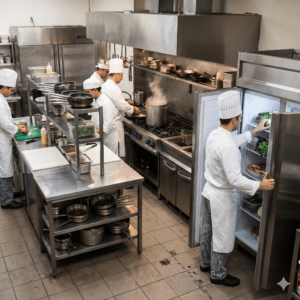
Opening a restaurant, hotel kitchen, café, or cloud kitchen requires more than a good menu and skilled staff. Behind every successful food business is a kitchen designed to deliver consistent output, maintain hygiene, and handle demand without unnecessary delays.
One of the most important decisions during this process is choosing the Right Commercial Kitchen Equipment.
Many business owners compare equipment primarily by purchase price. However, the real cost of running a kitchen includes energy consumption, maintenance, labour, downtime, available workspace, and the equipment’s useful life.
A lower-priced machine may appear attractive initially, but it may not be the most economical choice over several years of operation.
At Nilkanth Equipments, we believe that equipment selection should begin with understanding the business not simply comparing product prices.
This guide explains how to evaluate kitchen equipment as a long-term business investment and make decisions that support operational efficiency and profitability.
1. Look Beyond the Purchase Price: Understand Your Return on Investment
Return on investment (ROI) helps businesses evaluate the value generated by an investment compared with its cost.
For commercial kitchens, the purchase price is only one part of the calculation. Installation, electricity or gas consumption, maintenance, replacement parts, labour requirements, and equipment lifespan can all influence the total investment.
Consider two commercial refrigerators with different purchase prices. The cheaper model may cost less initially, but if it consumes more electricity or requires frequent repairs, its long-term cost could be higher.
Before purchasing commercial kitchen equipment, evaluate:
- Initial purchase and installation costs.
- Expected energy and water consumption.
- Maintenance requirements and availability of spare parts.
- Expected workload and operating hours.
- Equipment lifespan and replacement costs.
The objective is not to buy the cheapest equipment. It is to understand which option offers the best overall value for your operation.
2. Equipment Performance Directly Influences Kitchen Productivity
A commercial kitchen operates under constant time pressure, particularly during lunch, dinner, banquet service, or peak delivery periods.
Equipment that cannot handle the required workload can create delays throughout the operation. Slow preparation, insufficient cooking capacity, or inadequate refrigeration can affect several stages of service.
For example, a restaurant serving hundreds of meals during peak hours may require a different cooking capacity from a small café with a limited menu.
When evaluating restaurant kitchen equipment, consider:
- Expected orders per hour and peak production volume.
- Menu complexity and cooking methods.
- Batch sizes and preparation requirements.
- Available space and movement between workstations.
- The need for consistent results across multiple batches.
Matching equipment capacity to actual demand helps businesses avoid both under-capacity and unnecessary overinvestment.
3. Reduce Downtime With Reliable Equipment and Planned Maintenance
Unexpected equipment failure can interrupt food preparation, delay orders, and force a kitchen to change its operating plan.
The impact can extend beyond repair costs. A refrigerator breakdown may threaten stored ingredients, while a failed cooking appliance during peak service can limit the menu a restaurant can offer.
When comparing commercial kitchen equipment suppliers, investigate the practical support available after purchase.
Important considerations include:
- Warranty coverage and exclusions.
- Availability of replacement parts.
- Access to qualified service technicians.
- Recommended preventive maintenance schedules.
- Expected response times and service arrangements.
Routine inspection and maintenance can help identify wear, leaks, unusual noises, temperature inconsistencies, and other problems before they become major failures.
A maintenance plan should reflect the equipment type, manufacturer recommendations, and intensity of use.
4. Energy Efficiency Can Influence Long-Term Operating Costs
Commercial kitchens depend on several energy-consuming systems, including refrigeration, cooking appliances, water heating, and ventilation.
Their combined operating costs can become significant, particularly in kitchens that run for long hours.
Energy-efficient commercial kitchen equipment can help reduce consumption when the equipment is appropriate for the workload and operated correctly.
Before purchasing, compare:
- Rated power and expected operating hours.
- Energy consumption data where available.
- Heat output and ventilation requirements.
- Insulation and temperature-control features.
- Maintenance needs and operating conditions.
Also consider the wider kitchen system. An incorrectly sized refrigerator, poorly maintained condenser, or unsuitable ventilation arrangement can affect overall performance.
A useful buying decision considers operating expenses alongside the initial price not after the equipment has been installed.
Actual savings will depend on the model, usage, local energy tariffs, installation, and maintenance.
5. Material Quality Matters in a Commercial Environment
Commercial kitchens place equipment under repeated use, frequent cleaning, moisture exposure, and contact with food ingredients.
Material selection and construction quality therefore deserve careful attention.
Stainless steel is widely used for preparation tables, sinks, shelves, and other commercial kitchen applications because appropriate grades offer useful corrosion resistance, durability, and cleanability.
However, not all stainless steel products have identical specifications or construction quality.
Before buying stainless steel kitchen equipment, examine:
- The grade and thickness of the material.
- Weld quality, joints, edges, and surface finish.
- Load capacity and structural stability.
- Suitability for the intended food-service environment.
- Ease of cleaning and maintenance.
- Warranty terms and manufacturer specifications.
Equipment should be selected according to its intended use. A preparation table, cooking range, and refrigerated cabinet have different functional requirements.
Evaluating these details can help businesses make more informed purchasing decisions.
6. Plan the Kitchen Around Your Workflow
A commercial kitchen is a connected working environment. Storage, preparation, cooking, cleaning, and dispatch must operate together.
When equipment is purchased individually without considering the overall layout, staff may need to walk unnecessary distances, work around congested areas, or move ingredients repeatedly.
A more effective approach is to plan the kitchen around the sequence of work.
For example:
- Receiving and storage: Provide suitable space for incoming ingredients and appropriate dry, chilled, or frozen storage.
- Preparation: Position worktables and preparation equipment where ingredients can be handled efficiently.
- Cooking: Arrange cooking equipment according to the menu, production volume, and ventilation requirements.
- Plating and dispatch: Allow adequate space for finishing dishes, packing orders, or sending food to service areas.
- Washing and waste management: Plan these functions to support hygiene without disrupting food preparation.
The exact layout depends on the building, menu, staff movement, equipment dimensions, and applicable safety requirements.
For businesses planning a new kitchen, customized commercial kitchen planning can help align equipment selection with operational needs and available space.
7. Hotels and Cloud Kitchens Need Different Equipment Strategies
Not every commercial kitchen should follow the same purchasing plan.
Hotels, full-service restaurants, cafés, catering operations, and delivery-focused kitchens have different service models. Their equipment requirements should reflect those differences.
Hotel kitchen equipment
Hotels may need to support multiple functions, including buffet service, banquets, room service, and à la carte dining.
Equipment selection should consider varied menus, fluctuating demand, production volume, and the need for consistent output across service periods.
Depending on the operation, requirements may include high-capacity cooking equipment, refrigeration, preparation tables, food-holding systems, and dishwashing facilities.
Cloud kitchen equipment
Cloud kitchens generally focus on preparing orders for delivery or takeaway rather than serving customers in a dining area.
Their equipment requirements depend on the menu, order volume, available floor area, and delivery workflow.
Compact equipment, appropriately sized refrigeration, efficient preparation stations, and suitable packaging and dispatch areas may be priorities.
Automation can be useful where it genuinely improves consistency or throughput, but it should be evaluated against the business’s actual requirements and budget.
The right commercial kitchen setup is the one designed for your service model not a generic list of appliances.
8. Evaluate Supplier Support Before Making a Purchase
Choosing commercial kitchen equipment suppliers involves more than selecting products from a catalogue.
The supplier should be able to explain product specifications, capacity, installation requirements, warranty conditions, and the suitability of the equipment for your intended application.
Before committing to an order, ask:
- Can the supplier explain the differences between relevant models?
- Are product dimensions and technical specifications available?
- Are installation and commissioning included or quoted separately?
- What warranty and after-sales arrangements apply?
- Are spare parts and maintenance support accessible?
- Can the supplier help coordinate equipment requirements across the kitchen?
Clarify all inclusions and exclusions in the quotation. This helps reduce misunderstandings about delivery, installation, electrical or gas connections, ventilation, and other site requirements.
Where ongoing maintenance contracts are offered, review the scope, visit frequency, exclusions, and response commitments before signing.
A clear understanding of supplier responsibilities helps businesses plan for the full operating life of their equipment.
9. Safety and Compliance Must Be Part of Equipment Planning
A functional kitchen must also provide a safe environment for employees and appropriate conditions for food preparation.
Equipment selection and installation should account for applicable food-safety requirements, electrical or gas safety, ventilation, drainage, fire protection, and cleaning access.
In India, food businesses must understand the requirements applicable to their operations, including relevant FSSAI regulations and local building, fire, and installation rules.
Practical considerations include:
- Safe clearances around cooking equipment.
- Appropriate exhaust and ventilation arrangements.
- Suitable electrical connections or gas installations.
- Accessible handwashing and cleaning facilities.
- Proper drainage and waste-handling arrangements.
- Adequate separation of activities where necessary to reduce cross-contamination risks.
Requirements vary according to the premises, equipment, and type of food business. Owners should confirm the applicable requirements with qualified professionals and the relevant authorities.
Planning these elements before installation is generally more practical than attempting to correct major layout issues after the kitchen becomes operational.
10. Calculate the Total Cost of Ownership
Total cost of ownership (TCO) is a useful way to compare equipment options over their expected service life.
Instead of evaluating only the purchase price, estimate the broader cost of owning and operating each option.
A practical comparison can include:
| Cost component | What to evaluate |
|---|---|
| Purchase | Equipment price and included accessories |
| Installation | Labour, site preparation, and connections |
| Utilities | Expected electricity, gas, and water consumption |
| Maintenance | Scheduled servicing and routine upkeep |
| Repairs | Potential repair and replacement-part expenses |
| Useful life | Expected service period and replacement planning |
For example, if one appliance costs less upfront but has substantially higher operating expenses, a more expensive alternative could offer better long-term value.
However, the result depends on actual equipment specifications, operating hours, maintenance, and the expected service life.
Request comparable quotations and use realistic operating assumptions when calculating TCO.
This approach makes commercial kitchen equipment price comparisons more meaningful and supports better capital-allocation decisions.
11. Why Local Supplier Access Can Be Valuable
For a business in Ahmedabad or elsewhere in Gujarat, working with a local commercial kitchen equipment supplier may offer practical advantages.
Local access can make discussions, product inspections, site visits, delivery coordination, and follow-up communication easier, depending on the supplier’s capabilities.
When evaluating commercial kitchen equipment suppliers in Ahmedabad, consider:
- Whether the supplier has a physical showroom or product display facility.
- Whether equipment specifications can be reviewed before purchase.
- Delivery coverage and expected timelines.
- Installation and service availability for your location.
- Experience with the type of kitchen you are planning.
Local sourcing does not automatically guarantee better service or lower prices. Compare technical suitability, product quality, commercial terms, and support arrangements before deciding.
The goal is to find a supplier whose capabilities match the scale and requirements of your project.
Build a Kitchen That Supports Your Business Goals
A commercial kitchen is a long-term operational investment. Its performance depends on the relationship between equipment selection, layout, staff workflow, maintenance, energy use, and service requirements.
The best purchasing decisions begin with a clear understanding of the business: what it serves, how much it produces, how its staff work, and how it expects to grow.
By evaluating these factors before purchasing, restaurant owners, hotel operators, café owners, and cloud kitchen entrepreneurs can make more informed decisions about their kitchen infrastructure.
At Nilkanth Equipments, we help food businesses explore commercial kitchen equipment suited to their operational needs, from cooking and preparation to refrigeration and storage.
Whether you are setting up a new kitchen or upgrading an existing one, start with your requirements, compare suitable options, and evaluate long-term value alongside the initial investment.
Planning a commercial kitchen in Ahmedabad or Gujarat?
Connect with Nilkanth Equipments to discuss your equipment requirements and explore suitable solutions for your food business.
Frequently Asked Questions:
1. How do I choose the right commercial kitchen equipment?
Start by evaluating your menu, expected production volume, available space, utility connections, budget, and maintenance requirements. Select equipment that matches the workload and workflow of your kitchen.
2. What equipment is needed to start a cloud kitchen?
A cloud kitchen may require cooking ranges, preparation tables, refrigeration, storage shelves, food-processing equipment, sinks, and packaging stations. The final list depends on the menu, production capacity, and available space.
3. How much does a commercial kitchen setup cost in India?
The cost varies according to kitchen size, menu, equipment specifications, fabrication, refrigeration requirements, ventilation, installation, and utility connections. Obtain an itemized quotation based on your actual requirements.
4. Why is total cost of ownership important?
Total cost of ownership includes purchase, installation, utilities, maintenance, repairs, and replacement costs. It provides a more complete basis for comparing equipment options than the initial price alone.
5. What should I check before choosing a kitchen equipment supplier?
Review product specifications, construction quality, warranty terms, installation arrangements, service availability, spare parts, delivery commitments, and the supplier’s ability to address your operational requirements.
6. Is stainless steel suitable for commercial kitchens?
Appropriate grades of stainless steel are widely used in commercial kitchens because of their durability, corrosion resistance, and cleanability. The correct grade and construction depend on the intended application and operating environment.
7. How can commercial kitchen equipment help improve efficiency?
Correctly selected equipment can support the required production capacity, reduce unnecessary handling, improve workflow, and help maintain consistent output. Results depend on the equipment, layout, staff training, and maintenance.
8. What is the difference between hotel and cloud kitchen equipment?
Hotel kitchens may support buffets, banquets, room service, and multiple dining formats. Cloud kitchens primarily support delivery or takeaway production, so their priorities may include compact layouts, rapid preparation, and efficient dispatch.
9. How often should commercial kitchen equipment be maintained?
Maintenance frequency depends on the equipment type, usage intensity, operating conditions, and manufacturer recommendations. Follow the prescribed maintenance schedule and address signs of wear or malfunction promptly.
10. Where can I find commercial kitchen equipment suppliers in Ahmedabad?
Compare local suppliers based on equipment range, technical specifications, quotation transparency, delivery coverage, installation arrangements, and after-sales support. Nilkanth Equipments serves commercial kitchen requirements in Ahmedabad and can help you explore suitable equipment options.